Live fado, every night
Fado
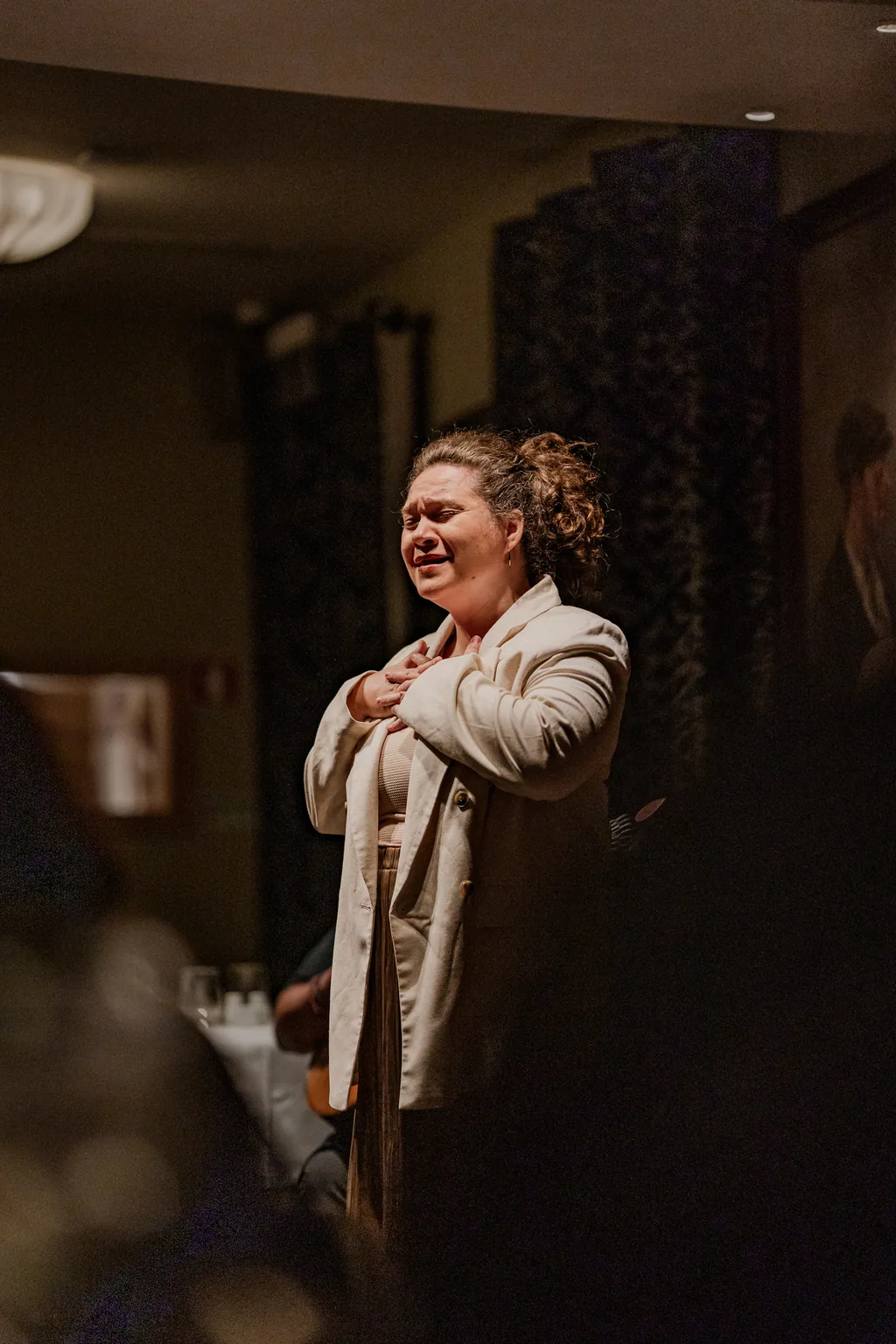
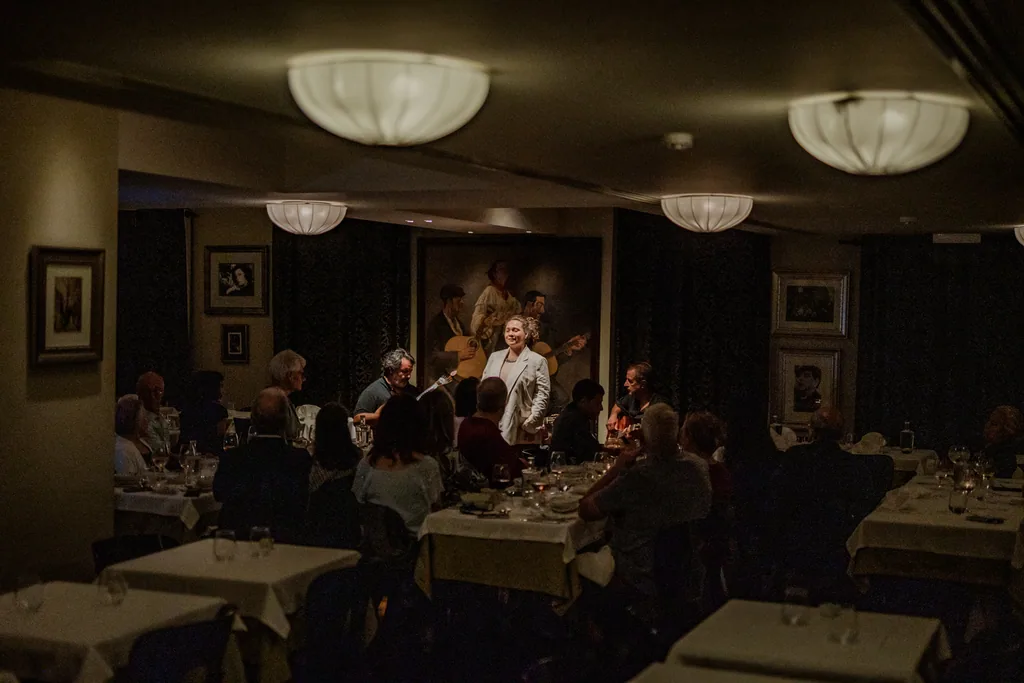
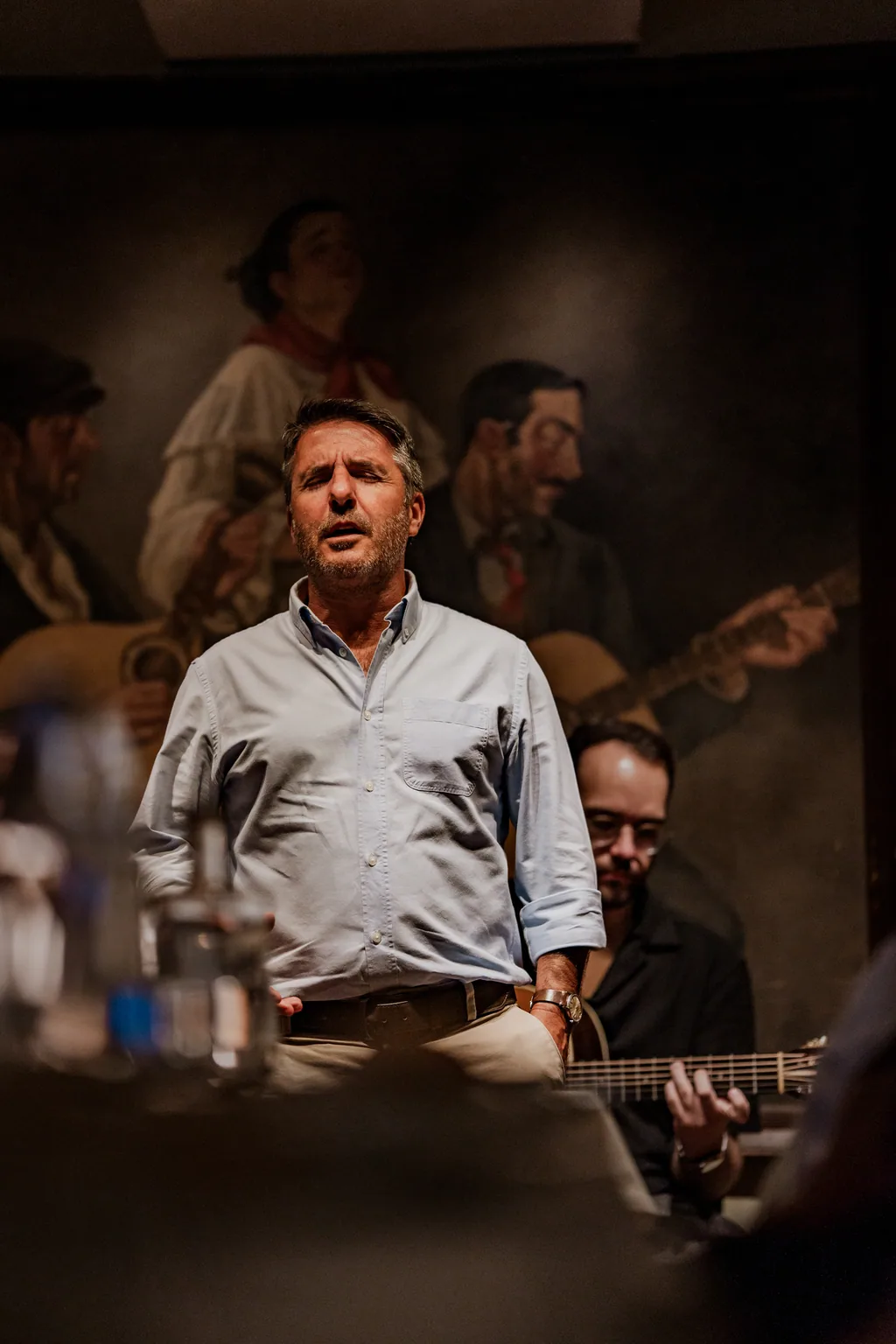
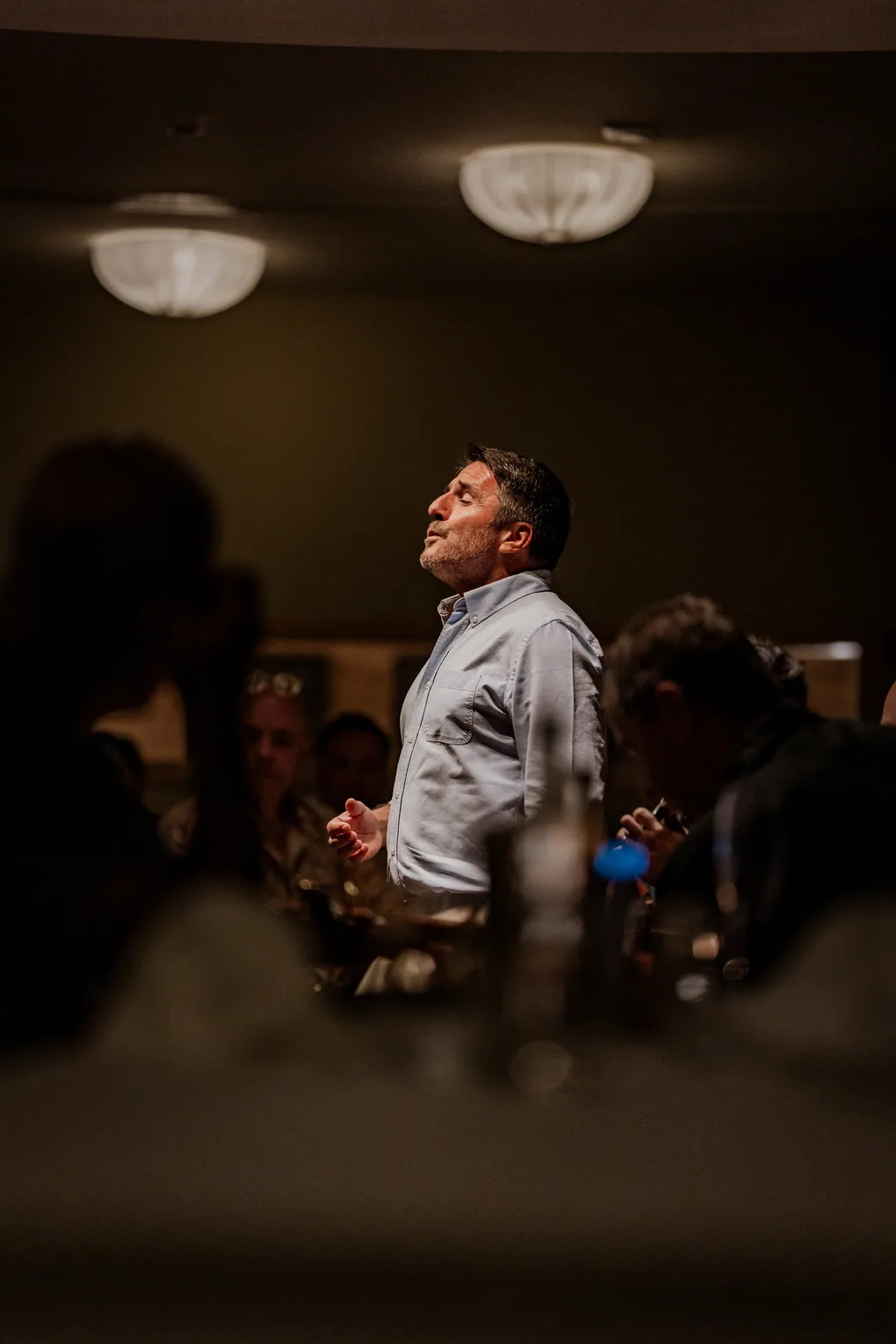
No microphone, no stage, no scheduled interval: fado happens between the tables, three times a night.
What fado is
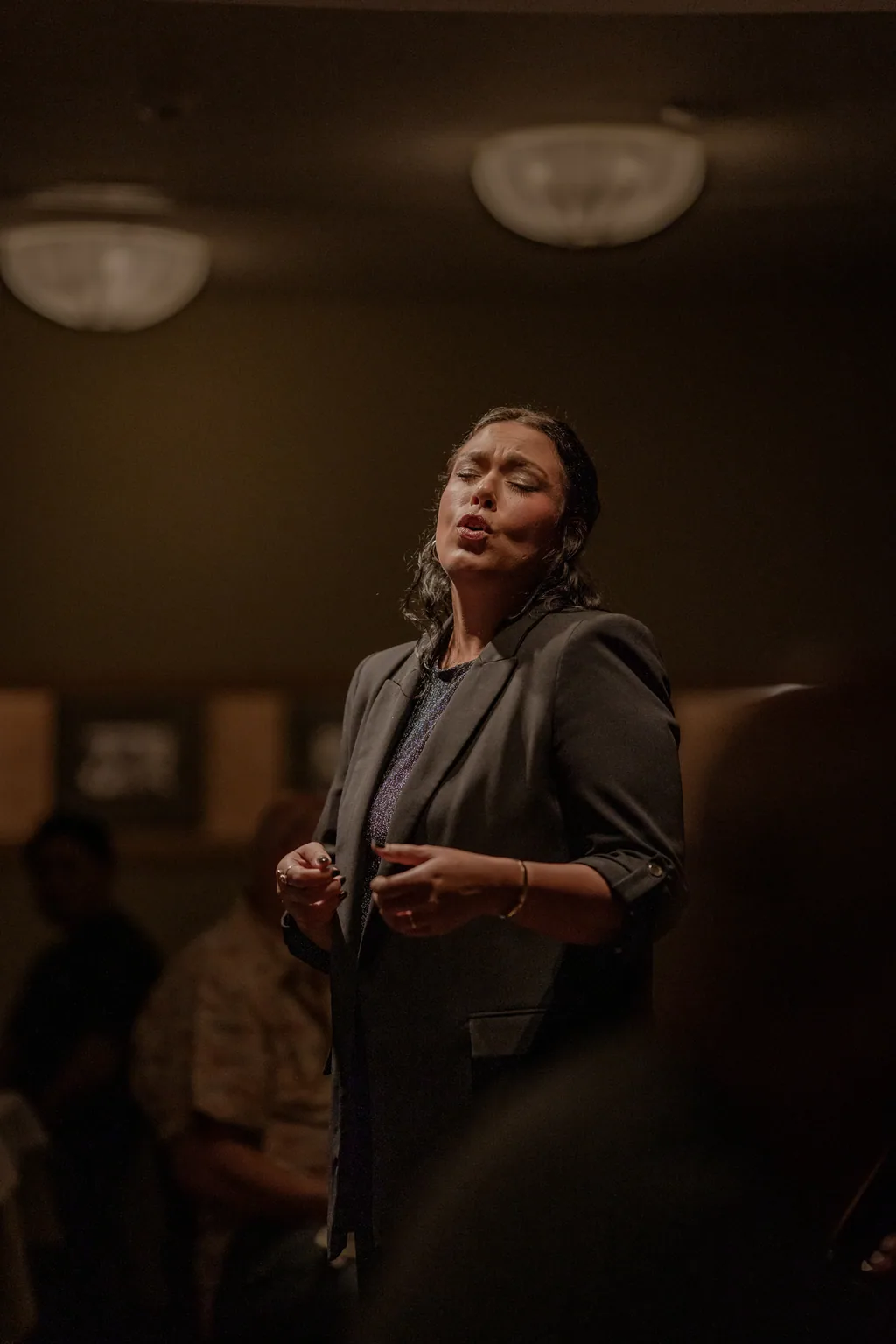
Fado is song. It’s sung in bare voice, without a microphone, over verses about longing, loss, love, the sea, Lisbon. These verses aren’t song lyrics — they’re poems, in their own metre, written to be sung this way and no other.
It was born in Lisbon in the 19th century, in taverns, in the streets, in houses. In 2011, UNESCO listed it as Intangible Cultural Heritage of Humanity. But inside a fado house, between the plates of the evening, between the walls where it has always been sung, it isn’t heard as a category. It’s heard for what it is: song, three instruments, silence around.
How fado is sung at Adega
At Adega Machado, fado isn’t background music. It isn’t a dinner show. There’s no stage, no amplification. It’s the centre of the night — and everything else, including dinner, unfolds to its rhythm.
Between the walls where Amália sang, Alfredo Marceneiro closed his career and Mariza began hers, resident fado singers and musicians interpret the classical and contemporary repertoire. There’s no recording, no playback. The repertoire varies from night to night: there’s traditional fado, there’s fado canção, there are original songs. The standard is always the genre — never the effect.
Every fado is sung as if for the first time. The same song, on the same night, by the same singer — never sounds the same twice. What changes is what the singer brings: what they feel, what they remember, what the audience gives back. That’s why the room falls silent when someone stands up to sing. The plates wait. Conversations pause. Not out of formal respect — out of necessity. Because what is sung there comes from within, and what comes from within is heard only once.
What a night looks like
The kitchen opens at 19:00. Fado begins at 20:30 and stretches through the night, in sets of songs separated by pauses for dinner. When the singers perform, the room falls silent. When they stop, plates arrive, conversations return. And then it begins again. And so on, well past midnight.
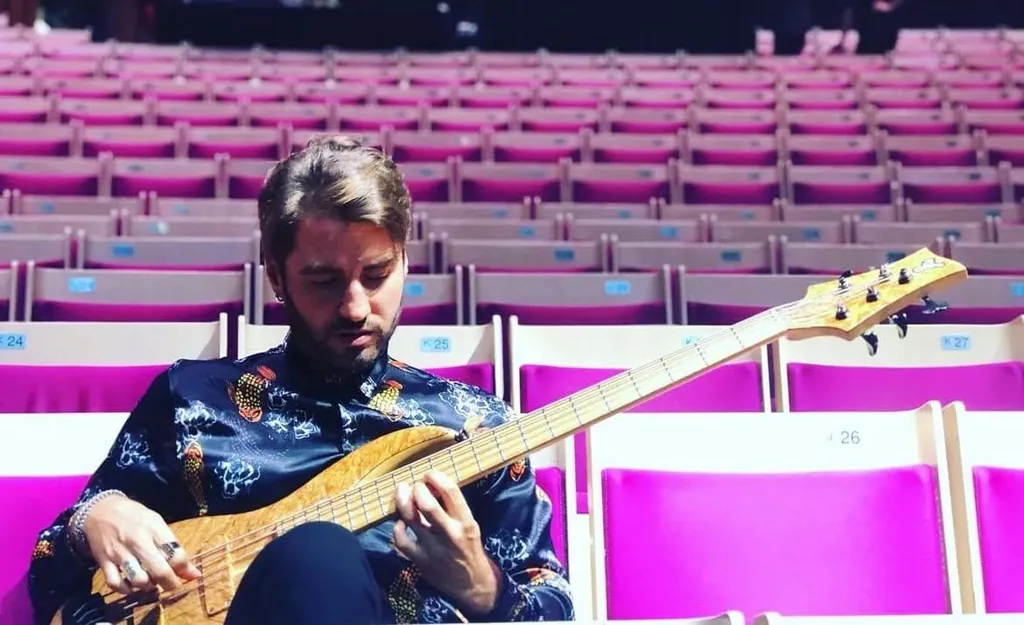
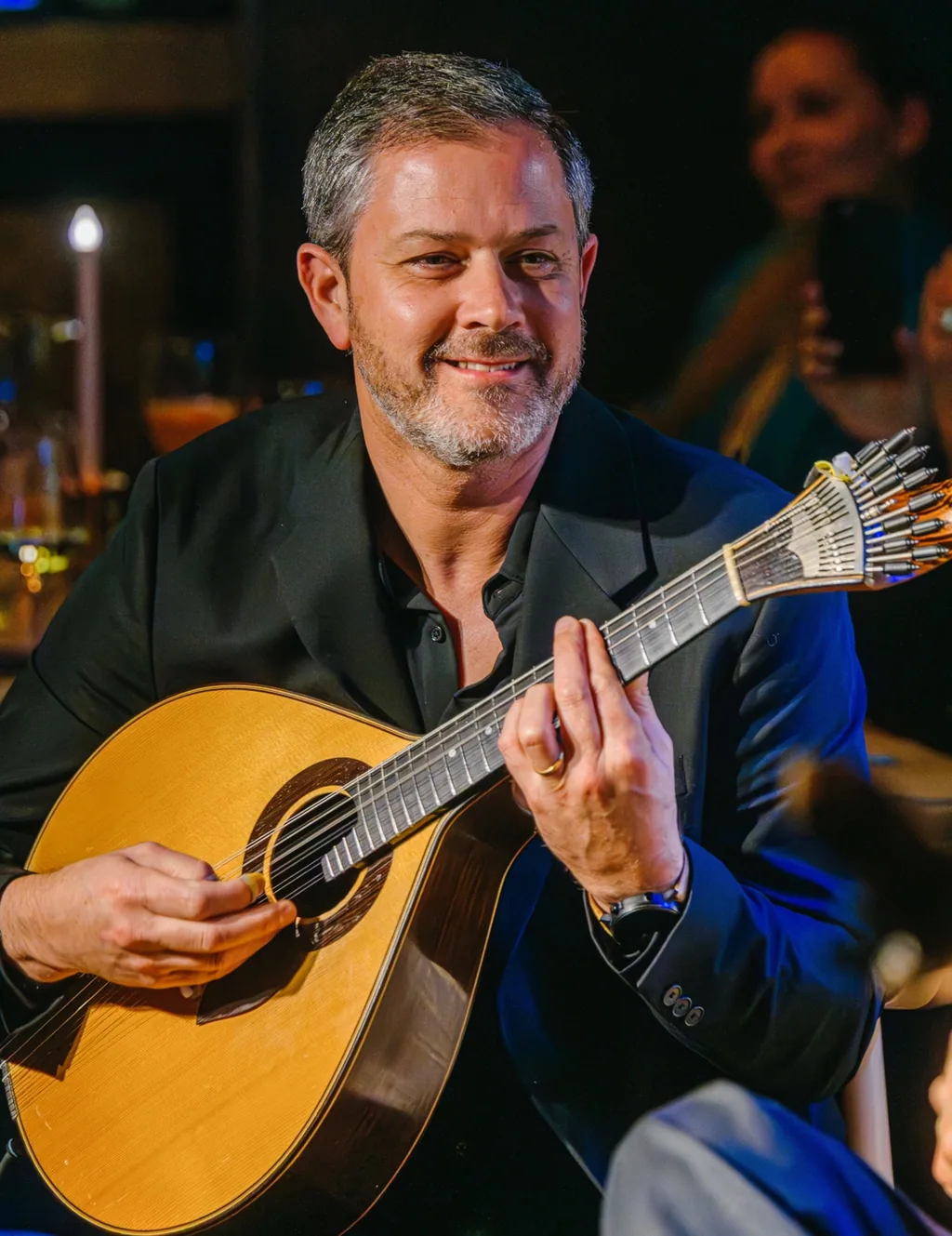
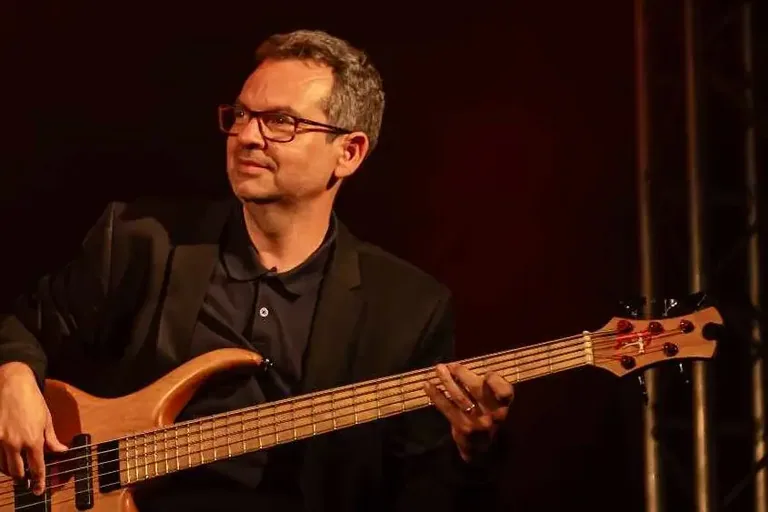
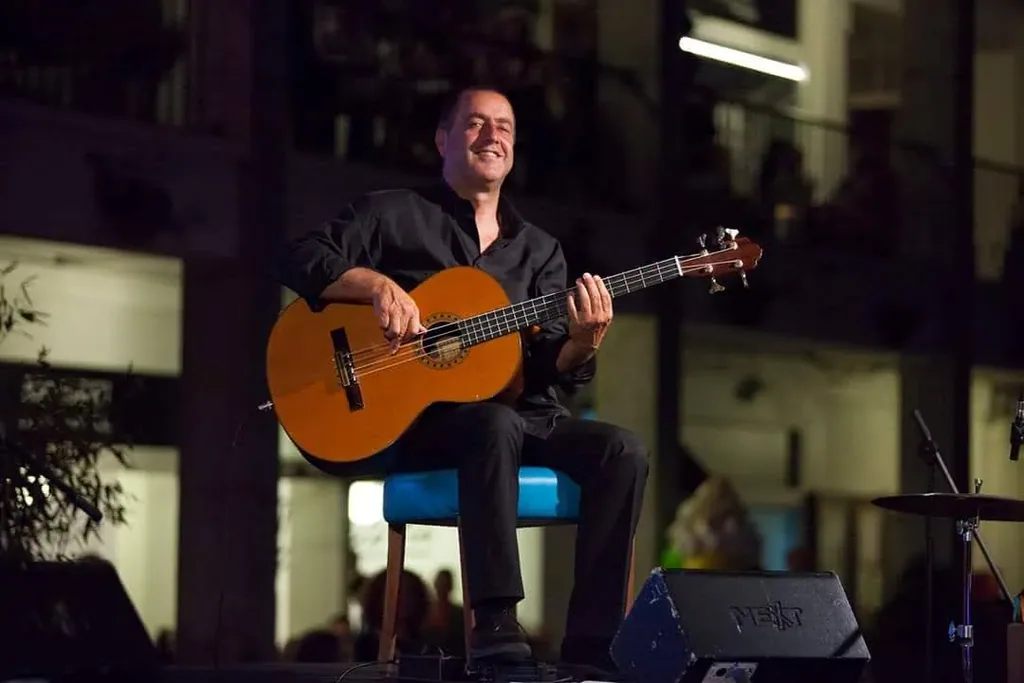
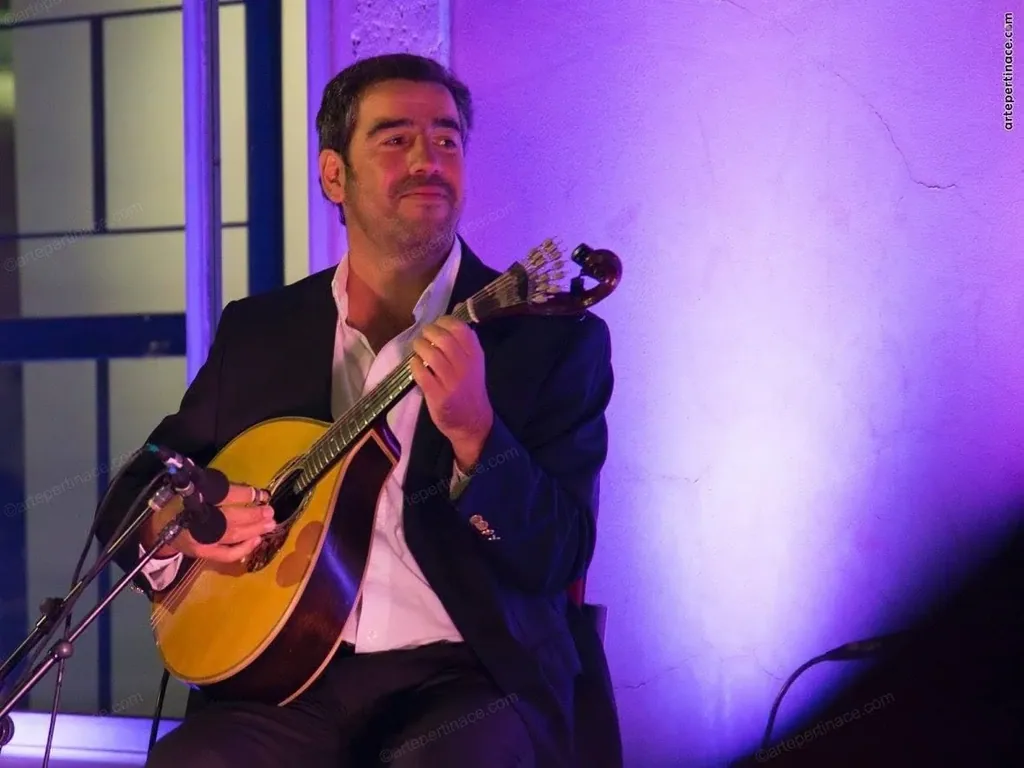
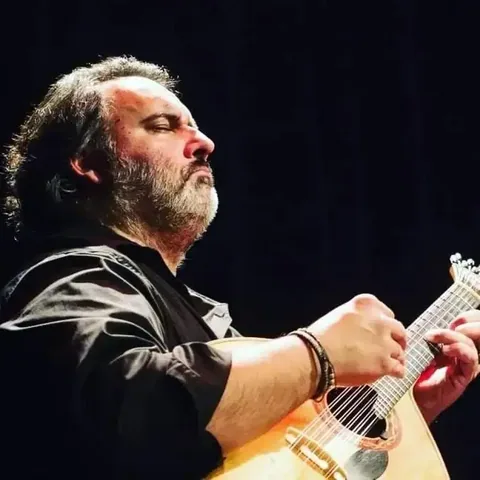
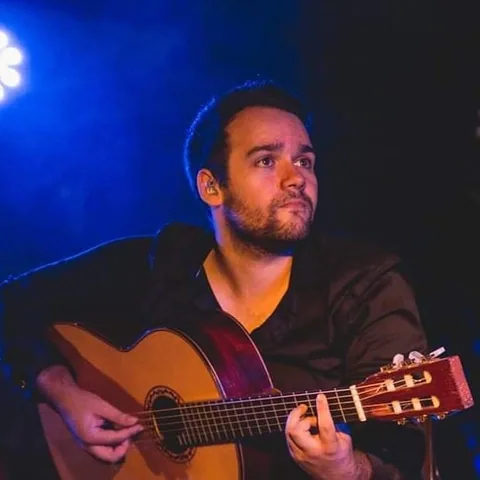
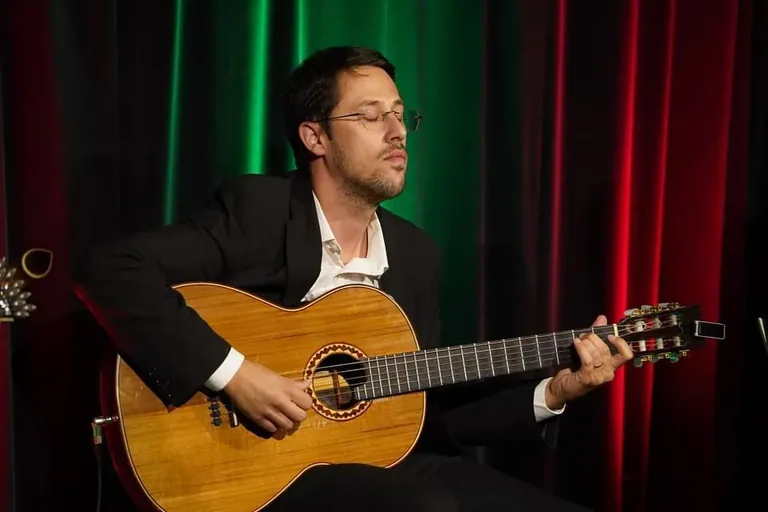
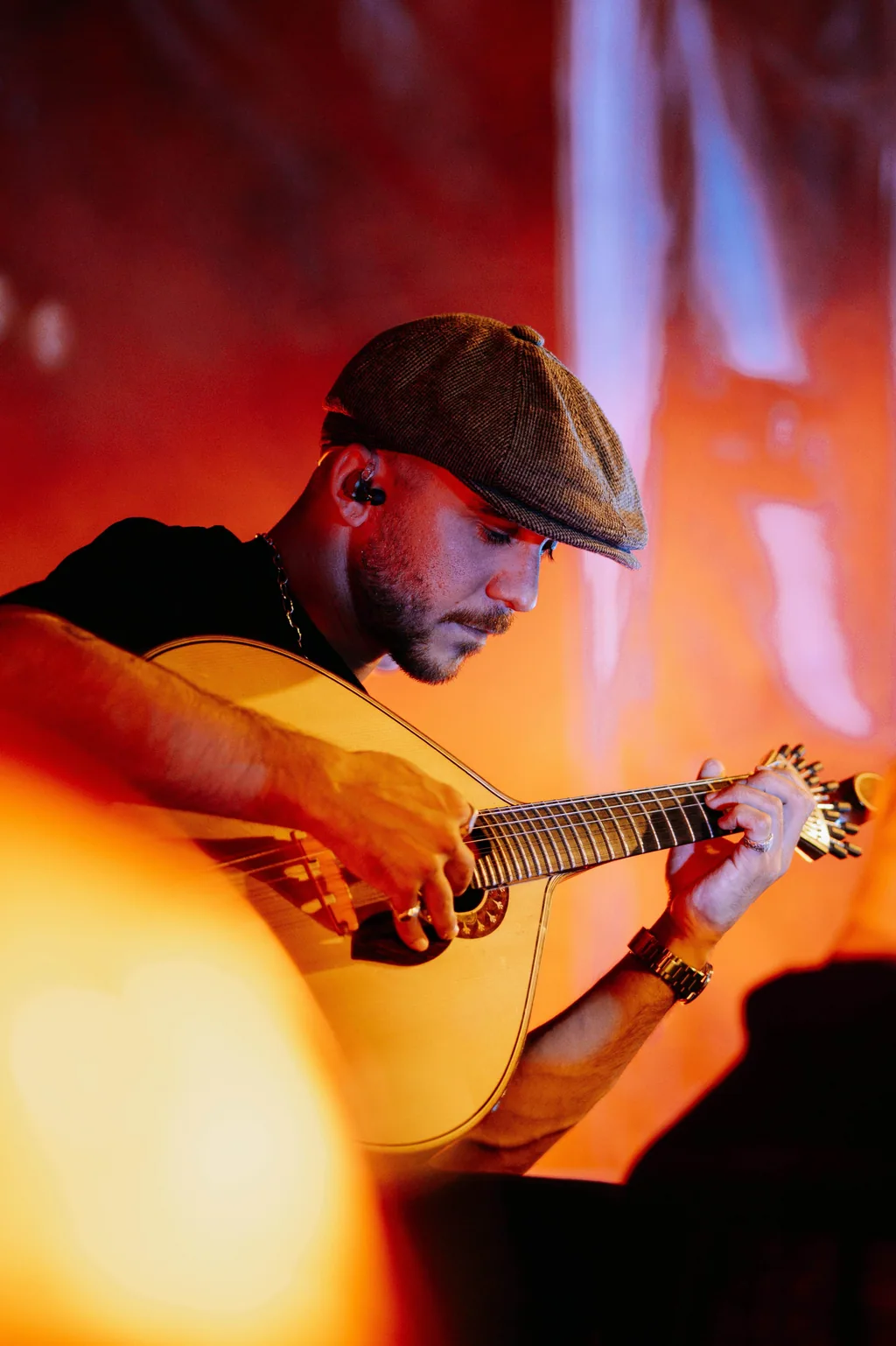
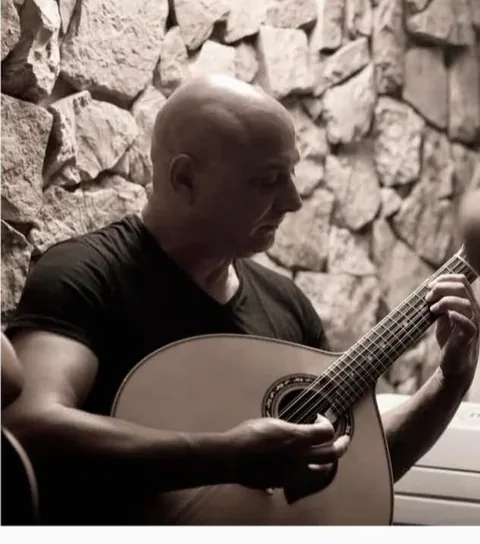
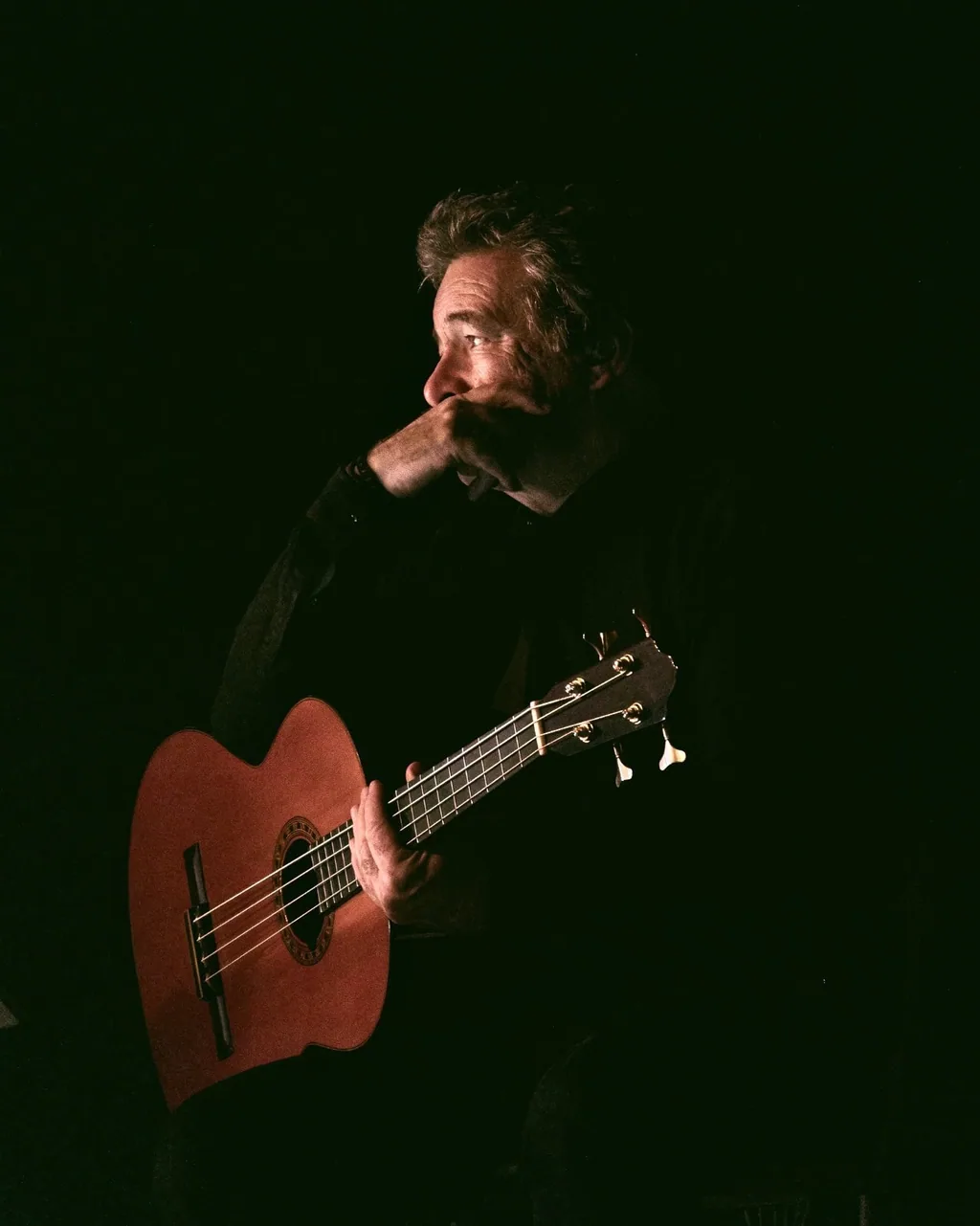
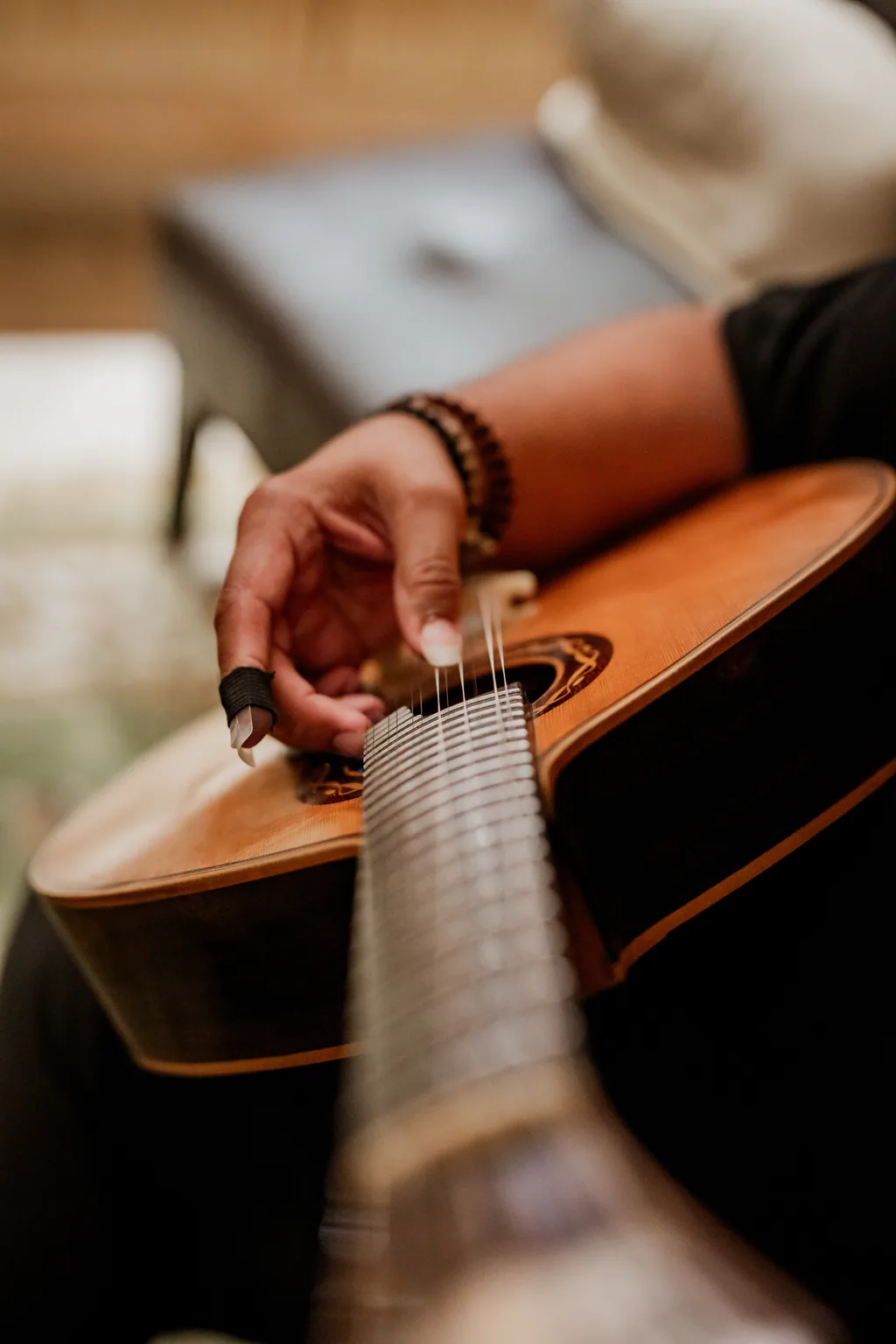
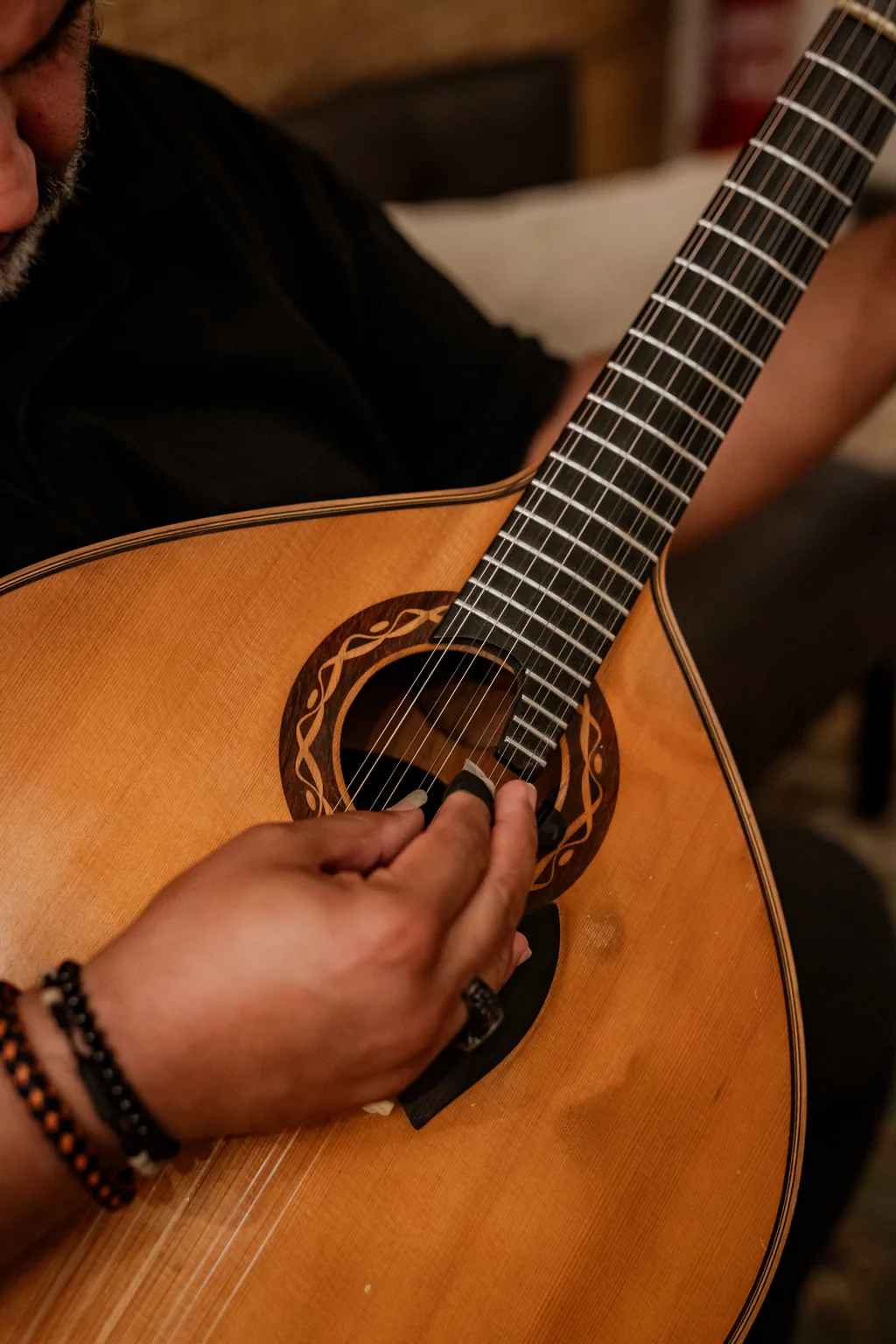
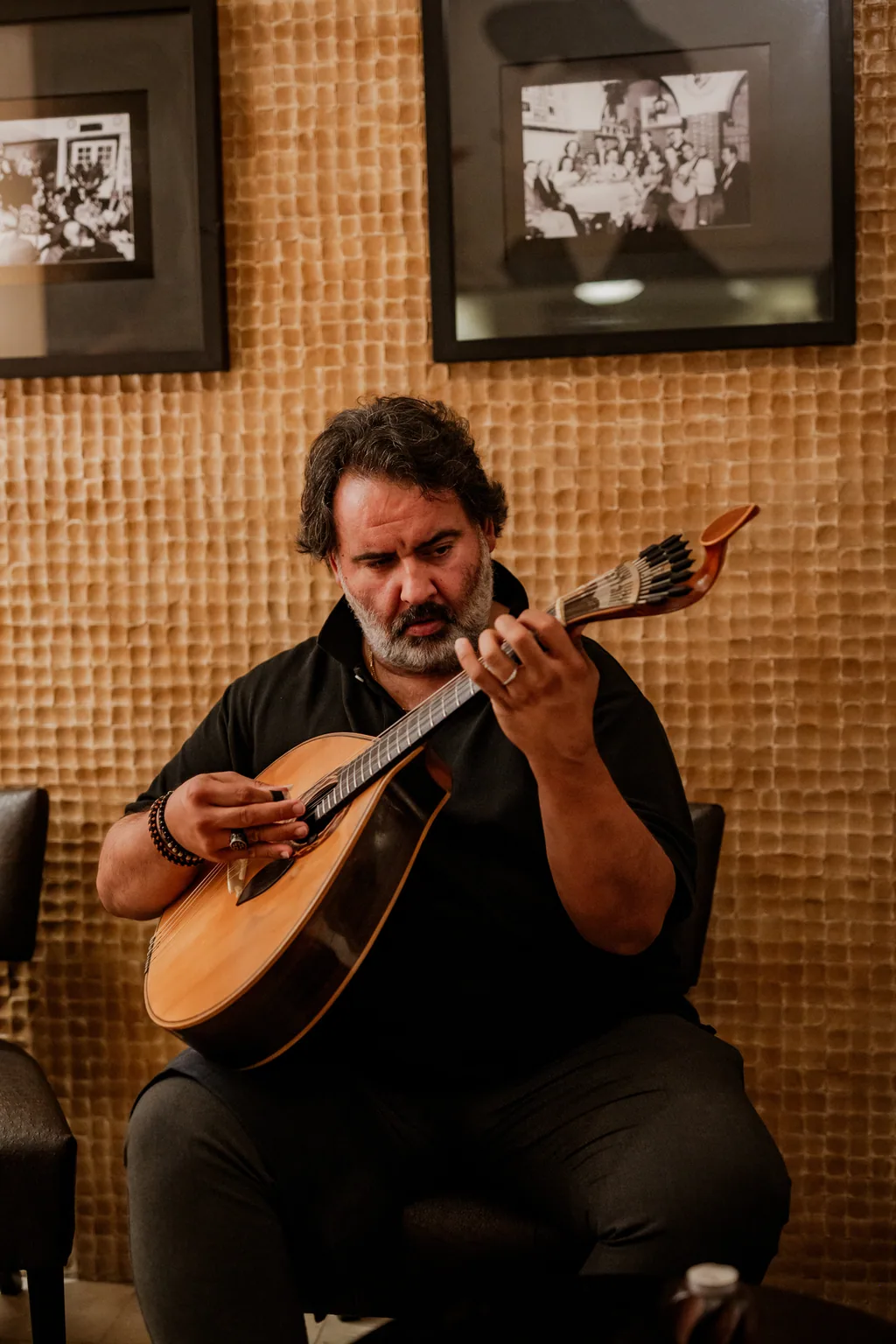
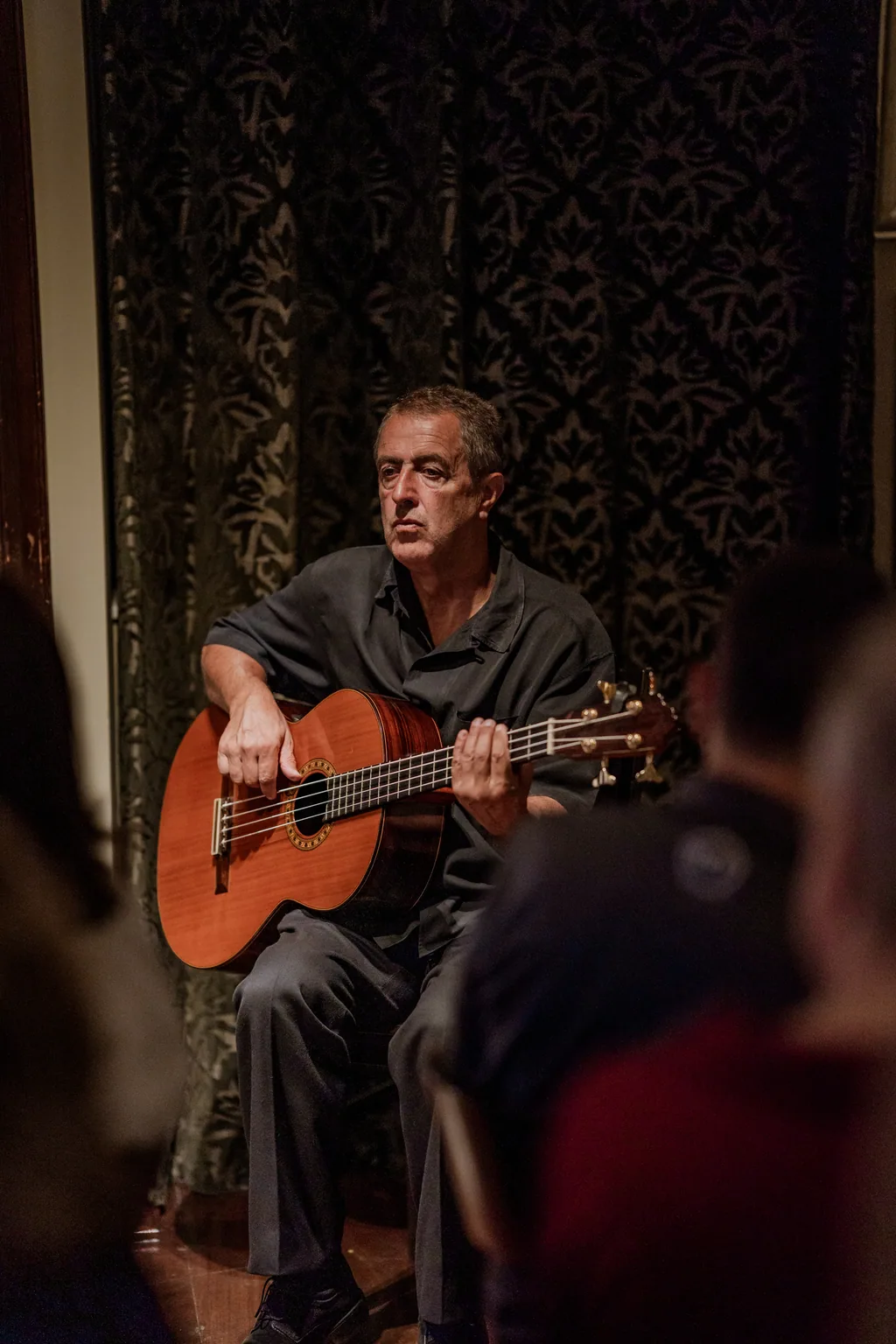
Each night, three fado singers and three musicians. The singers take turns between sets. The musicians accompany them all — Portuguese guitar, viola de fado, bass. The Portuguese guitar plays the ornamented melody that sets fado apart from any other music. The viola de fado gives the chord. The bass, the foundation.
Somewhere during the night there’s a moment without voice: the guitarrada. The musicians play alone, the Portuguese guitar in the foreground. The instrument speaks, without verses — and the silence of the room, then, becomes whole.
Who sings and plays
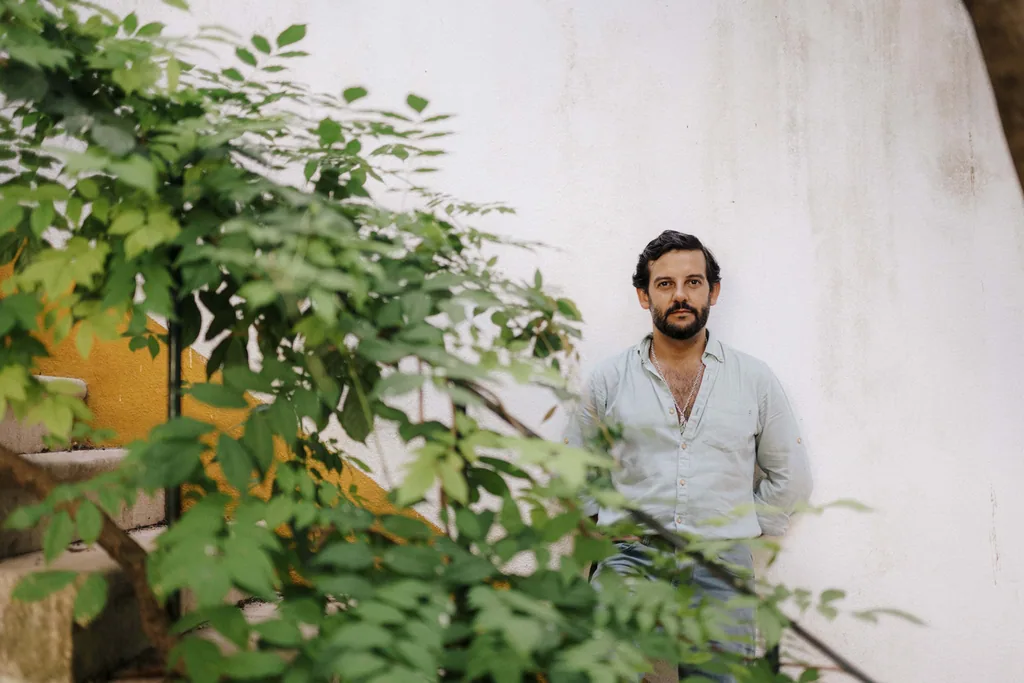
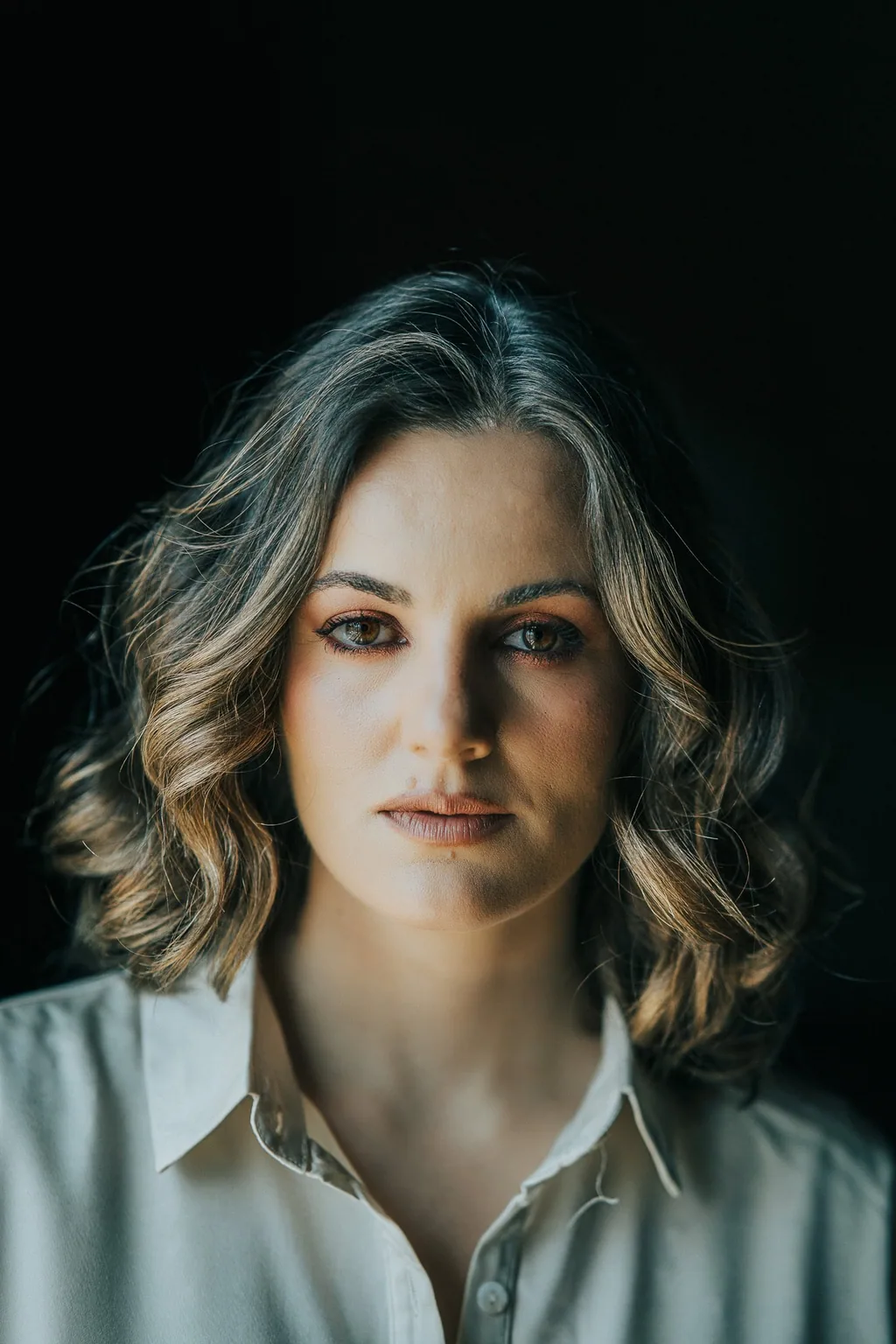
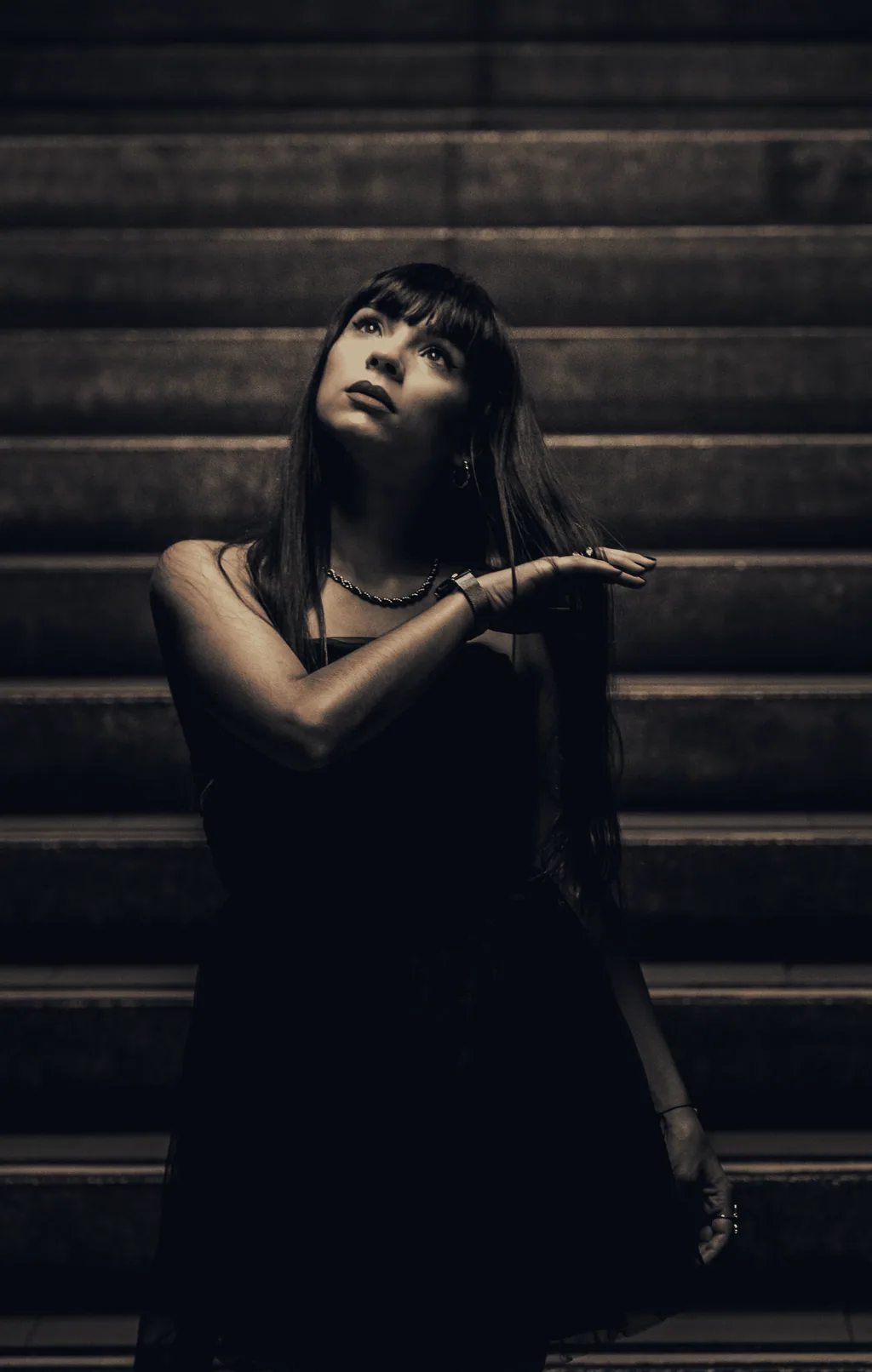
Six fado singers. Eleven musicians: Portuguese guitar, viola de fado, bass. Each night, three and three. The cast varies through the week. The genre doesn’t.
Voice

Musicians
Fado is not explained.Every night, from 20:30
You fall silent
and let it happen.
Book an evening at Adega Machado
Fado begins at 20:30. The kitchen opens at 19:00. There are few tables, and evenings fill up well in advance.